
Block Design System
A design system that designers, engineers and AI agents can all build from
- Product
-
 walllet.com
- Role
- Product Designer
- Industry
- Crypto, Web3
- Year
- 2023-2026
TL;DR
Block is the design system behind walllet.com, a crypto wallet and neo-bank for people who spend, not trade. I started it alone in 2023. In October 2026 I rebuilt it for a team where engineers and AI coding agents like Claude Code and Codex build from the same source.
Tokens, 76 components and their rules now live in Git and stay in sync with Figma. Block shipped 104 versioned releases in 21 days.
A library isn't a system
Most design systems are written for people. Ours had to be read by machines too.
A component library tells you what exists. A system tells you when to use it, what breaks if you change it, and how it looks in dark mode. At walllet those rules lived in Figma and in my head, because for most of Block’s life I was the only designer. That works while people ask you. It stops working when AI agents write a big share of the code, because an agent doesn’t ask. It copies what it sees, including your mistakes, at speed.
Why did walllet’s design system have to work for AI coding agents?
walllet.com moves money. A balance that renders differently on two screens reads as a bug, and in a wallet a bug reads as risk. Our engineers build with Claude Code and Codex. Agents are fast and literal: give them a hard-coded color and they will copy it into fifty files before anyone notices.
The problem: Block was precise enough for a designer to follow, but not structured enough for an engineer or an agent to build from without guessing.
What moved from Figma into Git?
On October 13, 2026, Block moved into code. I split it into five repositories published as packages on GitHub: design-tokens, icons, design-assets, design-system and design-handoff. The same day, all 76 Figma components had a coded twin, each with its spec, variants and known gaps written down.
Then I removed every reason to guess. Effects, motion, opacity and fixed sizes come from tokens, and no hard-coded design value is left in a component. Every variable carries its code name for web, Android and iOS. In Figma’s Dev Mode, 207 components, icons and logos show the exact code an engineer or agent should import.
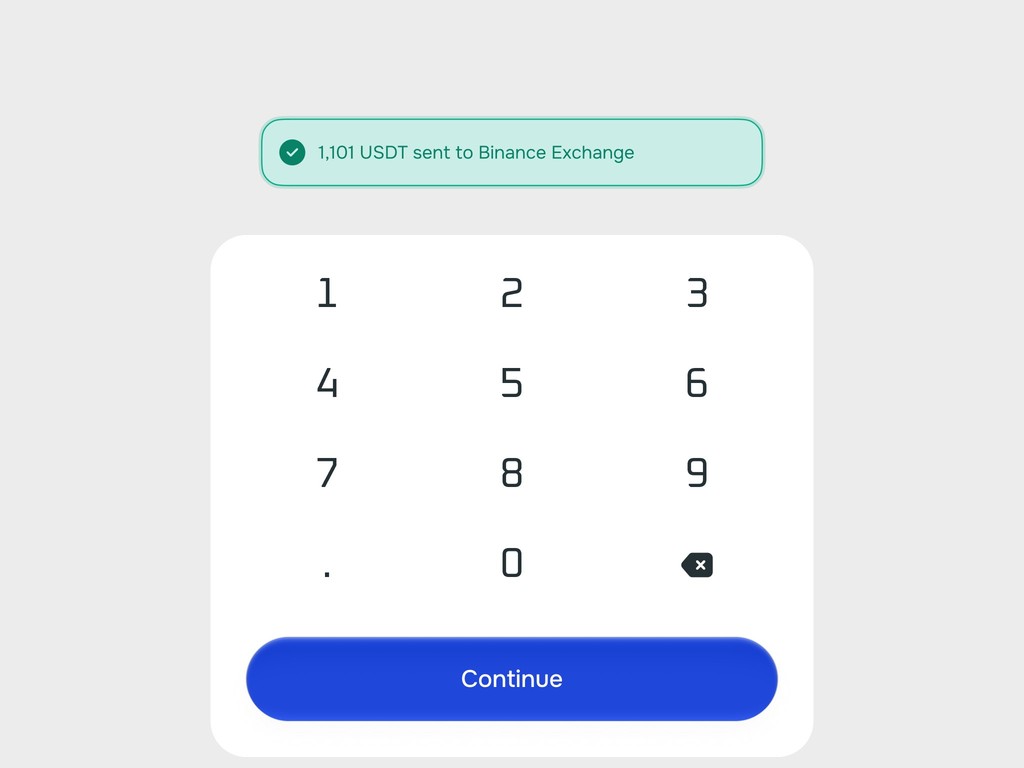
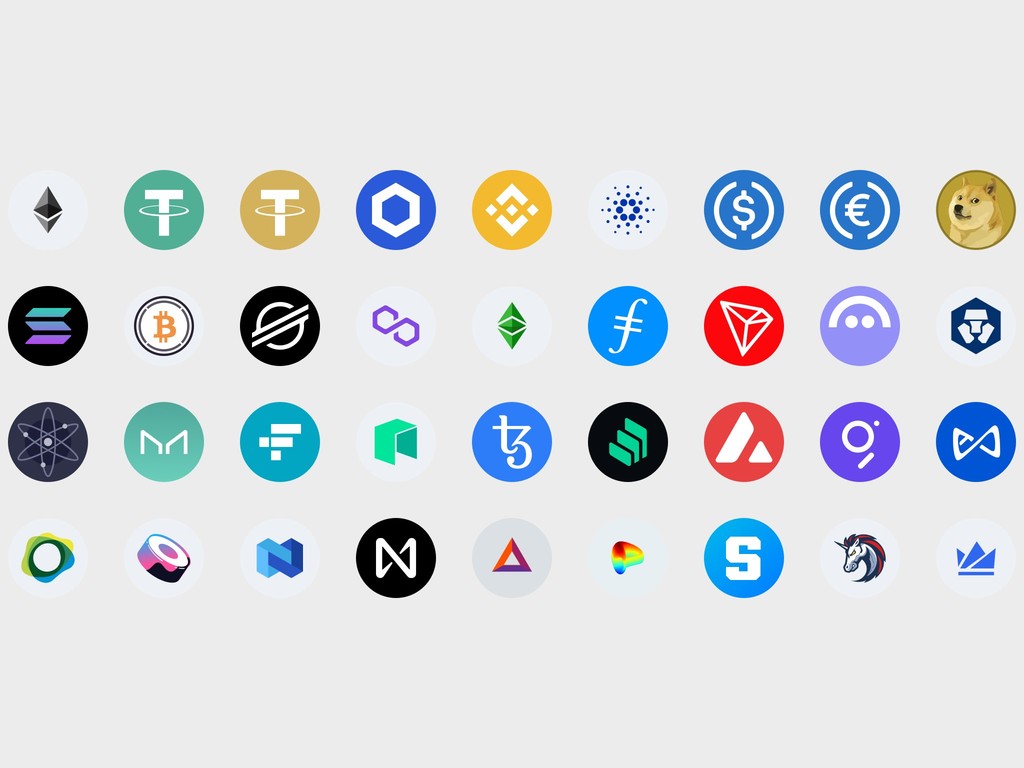
Crypto needs assets no UI kit ships. Block has 84 service logos as components: 55 crypto, 15 stock, 7 commodity and 7 network logos. A Tether row or a Solana network chip is a named component, not a pasted PNG, which matters when one asset lives on several chains, as in Merge Token & Chain.
How do designers, engineers and AI agents stay in sync?
Git is the meeting point. Every design change becomes a versioned release, and each release names the token, asset and icon packages it ships with. Engineers and agents pull the same versions, so what they build matches Figma pixel for pixel, and nobody works from last month’s file.
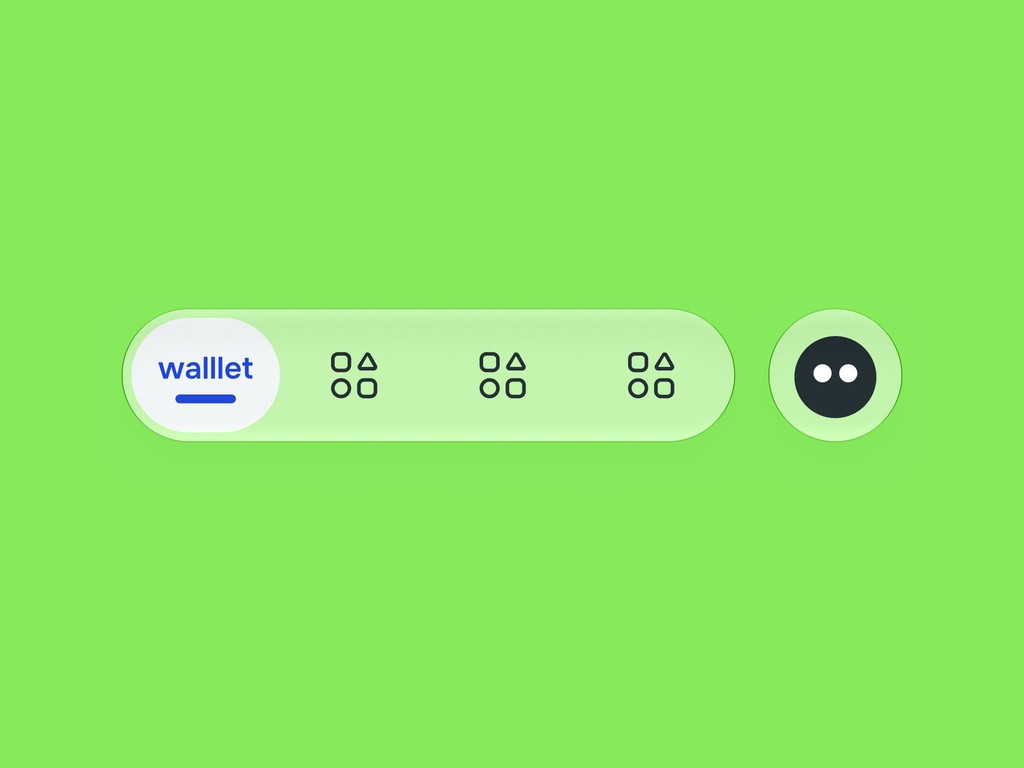
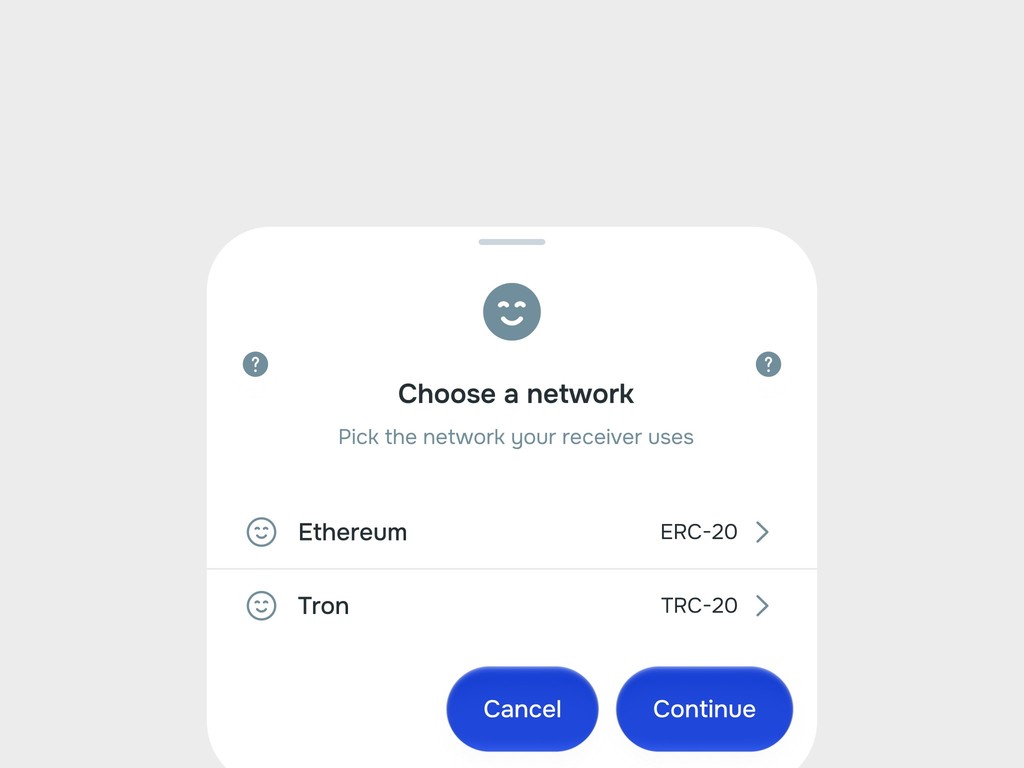
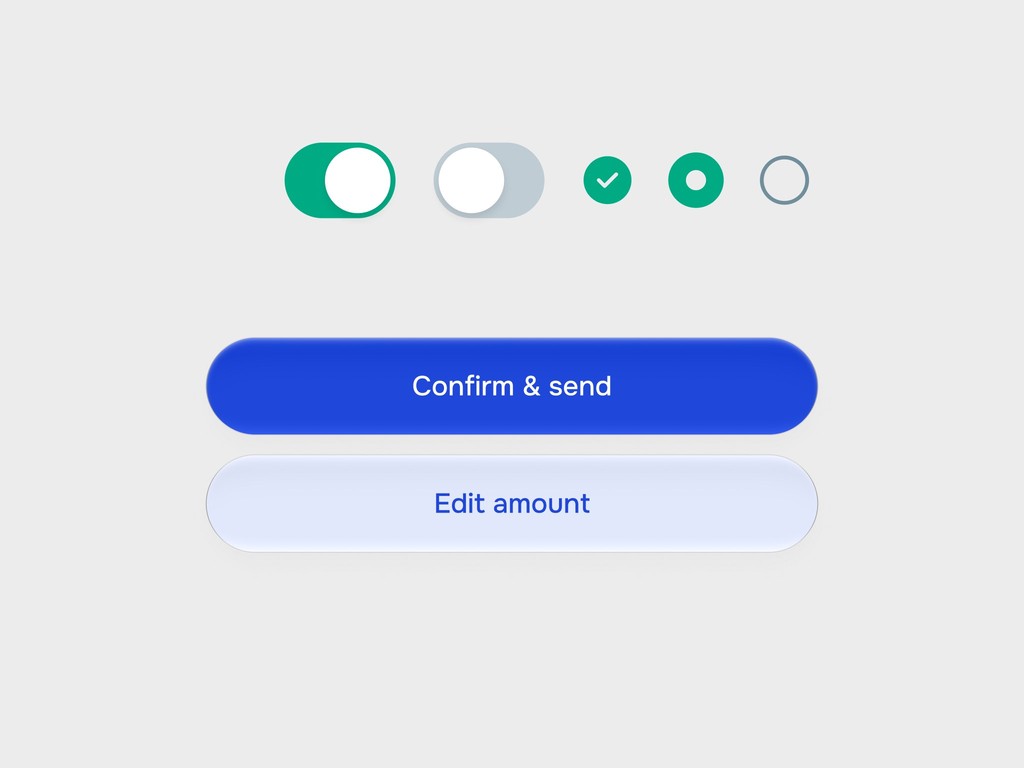
The library is now two layers. Primitives holds the foundation: buttons, rows, sheets, navigation, inputs. Composites holds product pieces like the total balance, the activity widget and the now-bar cards for an in-progress transaction, KYC status or a declined card. A flow component only moves into Composites after a promotion checklist: ownership, API, variants and states, accessibility, tokens, Code Connect, version and documentation.
Agents do most of the typing. The change log says “Claude on October 21” far more often than it says my name. The decisions stay with design, though. Entries titled “Designer decisions applied” record calls like modals being dismissible by default and loading animations that keep running under Reduce Motion. And only a designer can save a named library version in Figma, so design is the release gate.
The Figma side works the same way. Role-based AI agents read the designer’s flow flags and notes before they act. A UX writing skill applies walllet’s tone and destructive-action vocabulary, then writes English copy and Turkish translations into a walllet_copy structure keyed by messageId. The team uses both every day.
CHOSE | CUT | BECAUSE |
|---|---|---|
Code Connect on Primitives, plus code names on every variable and code links in every component’s docs | Code Connect on both libraries | Our Figma plan allows Code Connect on one library. Code names and doc links give engineers the same answer without a plan upgrade. |
Two libraries: Primitives and Composites | One library for everything | Product components change with every release. The foundation shouldn’t. The checklist keeps one-off flow pieces out of the system. |
Every value from a token | Hard-coded one-offs | An agent repeats whatever it reads. One literal value becomes fifty. |
Designer saves named versions | Agents publishing the library | Agents can draft and ship code fast. The design call and the release stay human. |
How are motion and haptics part of the system?
Motion and haptics are tokens too. Springs are a little softer on iOS and firmer on Android. An outcome haptic waits 120 ms after a tap so the two don’t blur together. Under Reduce Motion, a light press remains but the stretch goes away. It’s the kind of detail that used to get lost between a Figma prototype and a build. Now it ships as a value, the same way a color does, which helps in flows like Send where every tap confirms money moving.
What changed after Block moved into code?
104Versioned releases between Oct 13 and Nov 2, 2026 | 76Figma components with a coded twin on day one | 207Components, icons and logos showing their code in Dev Mode | 5Design packages on GitHub |
The bigger change doesn’t fit in a number yet. I design new flows faster because I work with AI against real components instead of drawing from scratch. And we put live builds in front of people for testing sooner, because what engineers and agents ship already matches the design. More about how I work is on my resume.
Who made the calls
I designed Block from its first token in 2023, when I was walllet’s only designer: the token architecture, the kebab-case naming, the component families and their states, and the crypto patterns for balances, transaction lists, send and receive.
In 2026 I led the move into code. I set the repository structure, the Primitives and Composites split, the promotion checklist and the release rules, and I directed the AI agents that wrote most of the code and the change log. Every design decision in that log was mine to make.
What I'd write first next time
I’d write the rules for machines from day one. For three years Block was precise enough for me and loose enough to need me. The October rebuild surfaced gaps a human reviewer had been papering over, like icons whose documentation links still pointed at deprecated files.
I’d also put accessibility ahead of speed. A few light-theme contrast values are still below target, logged as a known gap. A system that agents copy at scale should be strictest about contrast first.
FAQ
What is Block?
Block is the design system behind walllet.com’s iOS and Android app. It covers design tokens, 76 core components, motion and haptics guidelines, and crypto-specific assets like 55 crypto logos. It lives in Figma and in five GitHub packages that engineers and AI coding agents build from.
How does Block work with Claude Code and Codex?
Tokens, icons, assets and coded components are versioned packages in Git. Engineers and AI agents like Claude Code and Codex build from those packages instead of reading values off screenshots, and Figma’s Dev Mode shows the code for each component, so what they ship matches the design pixel for pixel.
How do design and code stay in sync?
Every change ships as a versioned release with a changelog entry that names the token, asset and icon package versions it ships with. Block shipped 104 releases between October 13 and November 2, 2026, so design and code never drift more than one release apart.
Who makes the design decisions if AI agents write the code?
The designer. Agents draft changes and write most changelog entries, but design calls are logged as designer decisions, and only a designer can save a named library version in Figma. That makes design the release gate.
Why split Block into Primitives and Composites?
Primitives like buttons, rows, sheets and navigation change slowly. Product components like the total balance, the activity widget and the now-bar cards change with the product. Keeping them apart keeps the foundation stable, and a component only joins Composites after a promotion checklist.
What was Mostafa’s role?
I started Block in 2023 as walllet’s only designer and designed its tokens, components and crypto patterns. In 2026 I led its move into code: the repository structure, the Primitives and Composites split, the promotion checklist and the release rules, with AI agents writing most of the code under my direction.